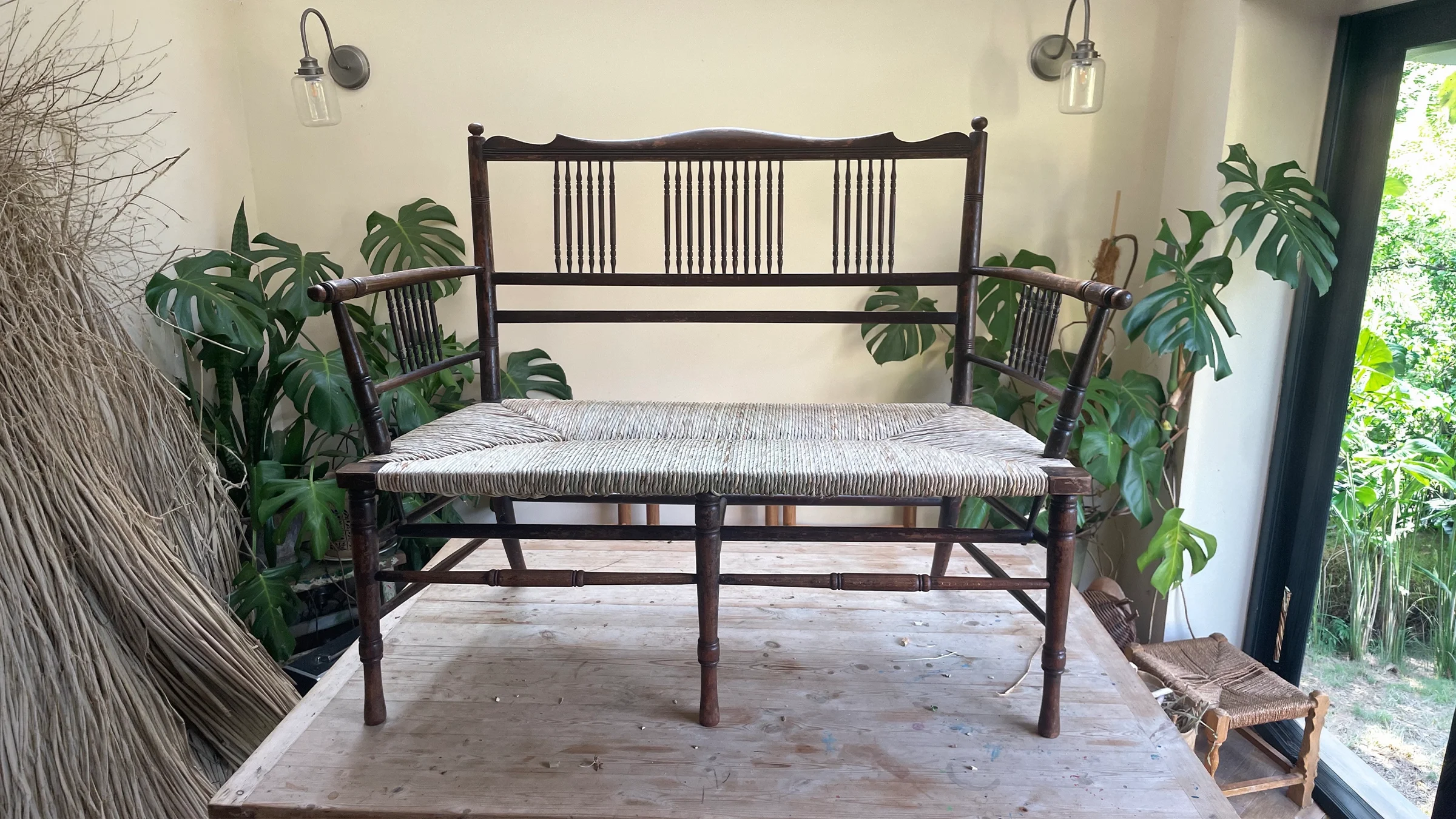
Cord & Rush seating
The understated beauty of a hand-woven seat: the texture of natural fibres, the symmetry and order of the pattern and the freshness it brings to a well-loved chair. Working primarily with rush and Danish papercord, I use traditional techniques to renew chairs, stools and benches. It’s a slow, painstaking craft that honours the furniture’s history while ensuring many more years of use.
Bulrush
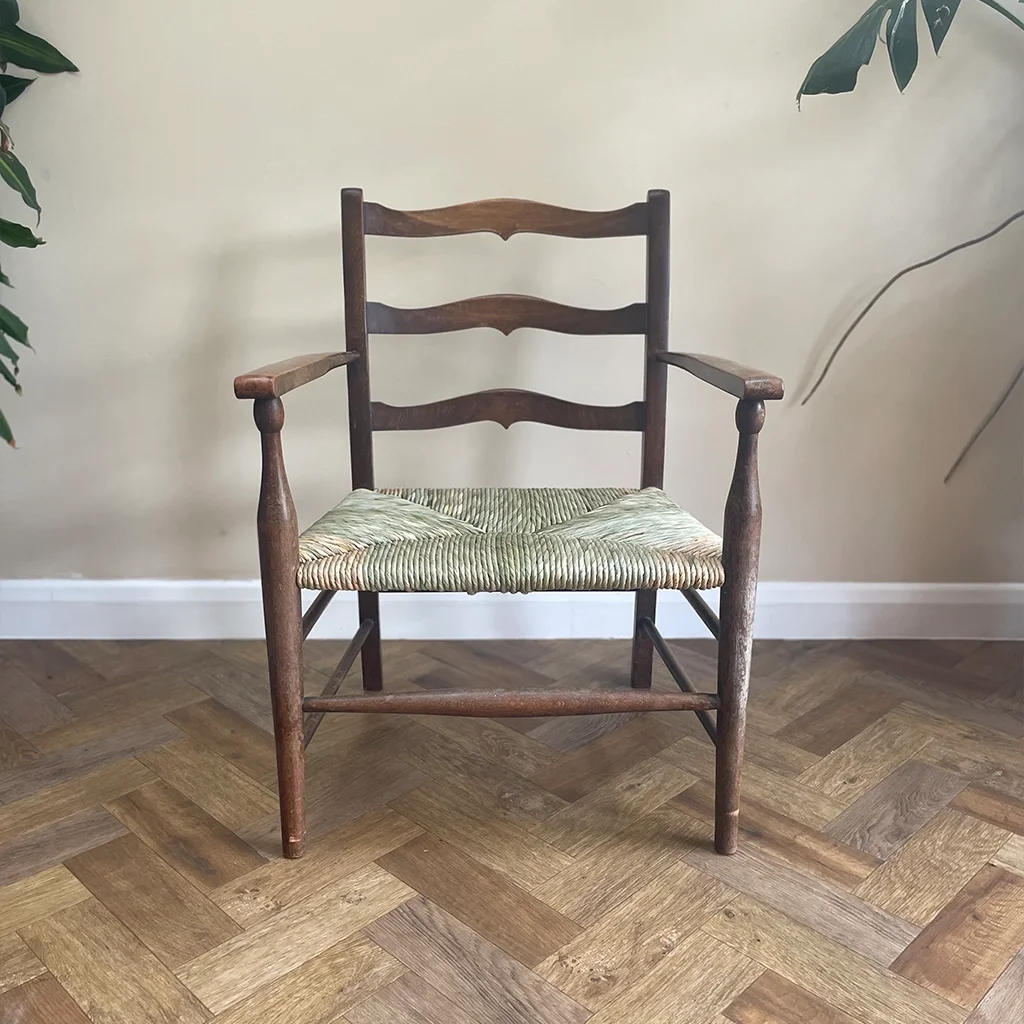
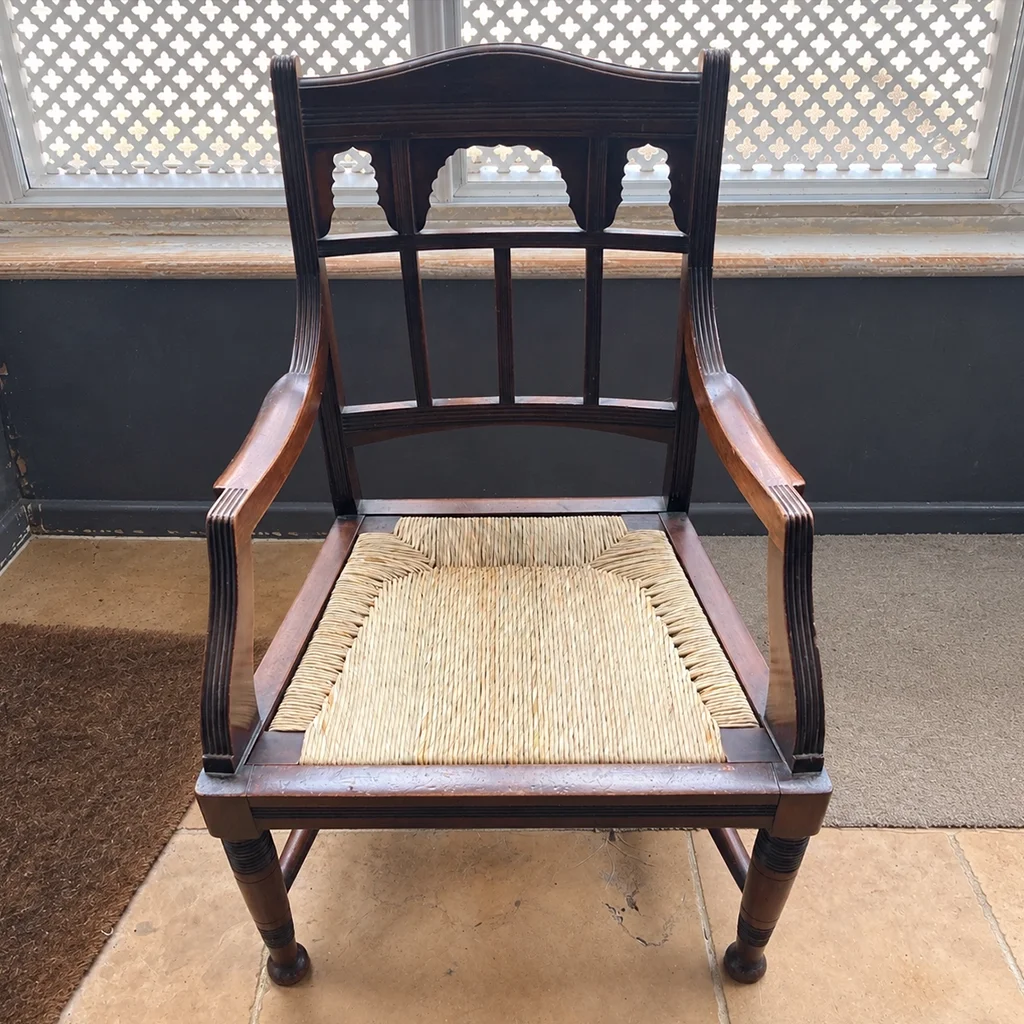
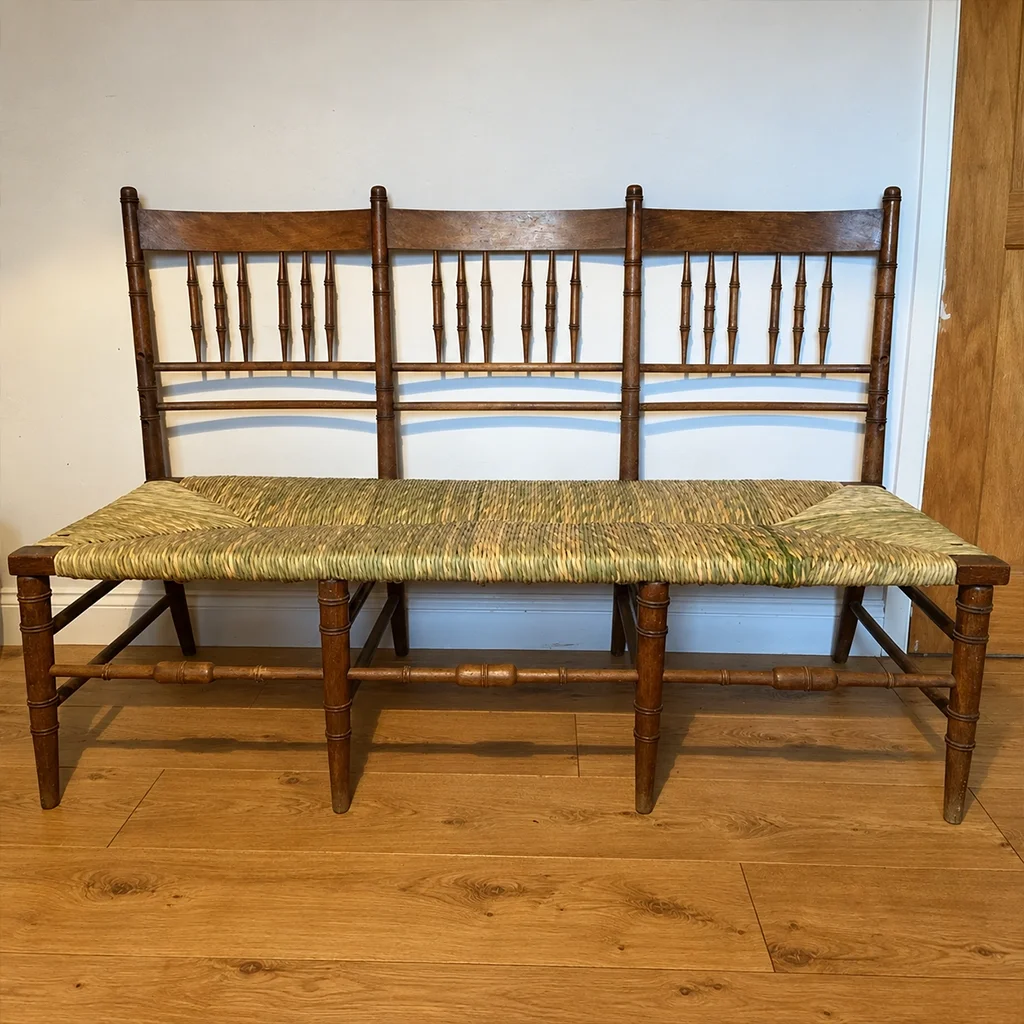
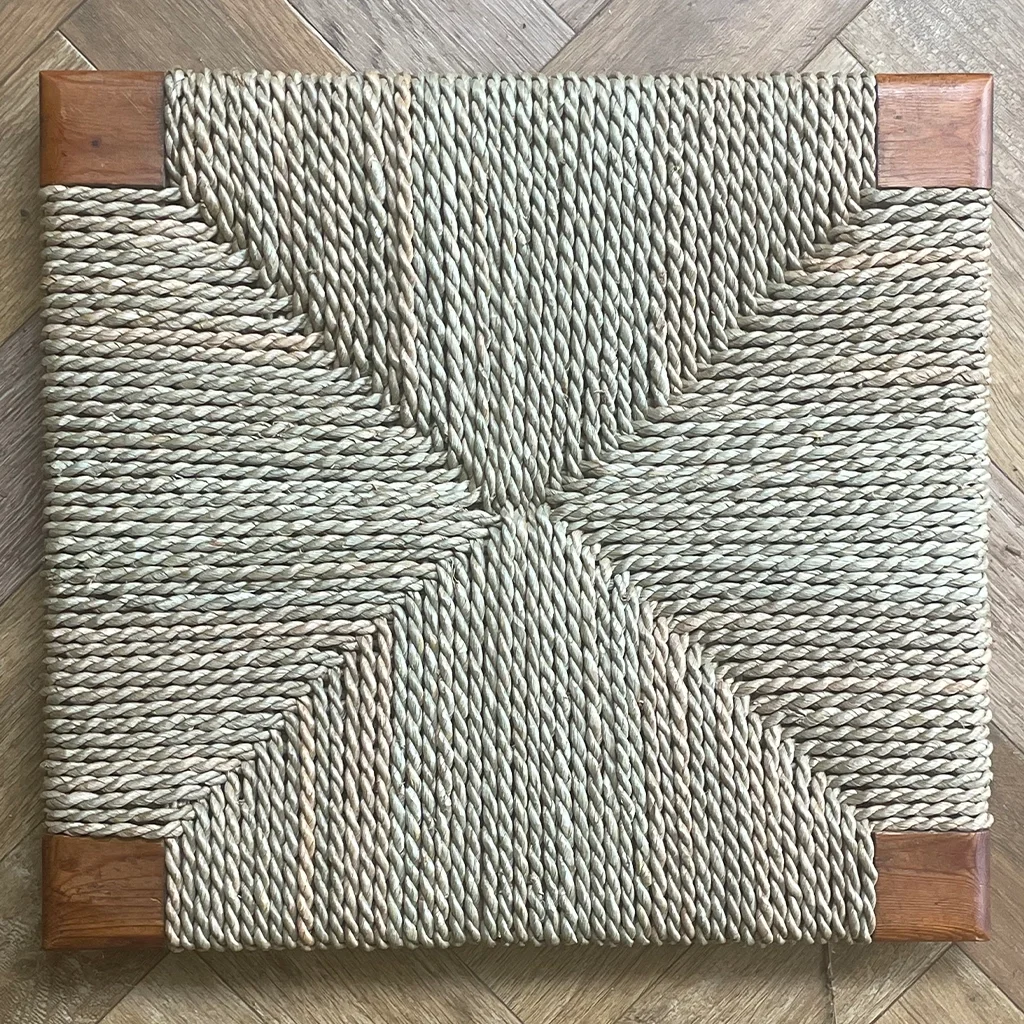
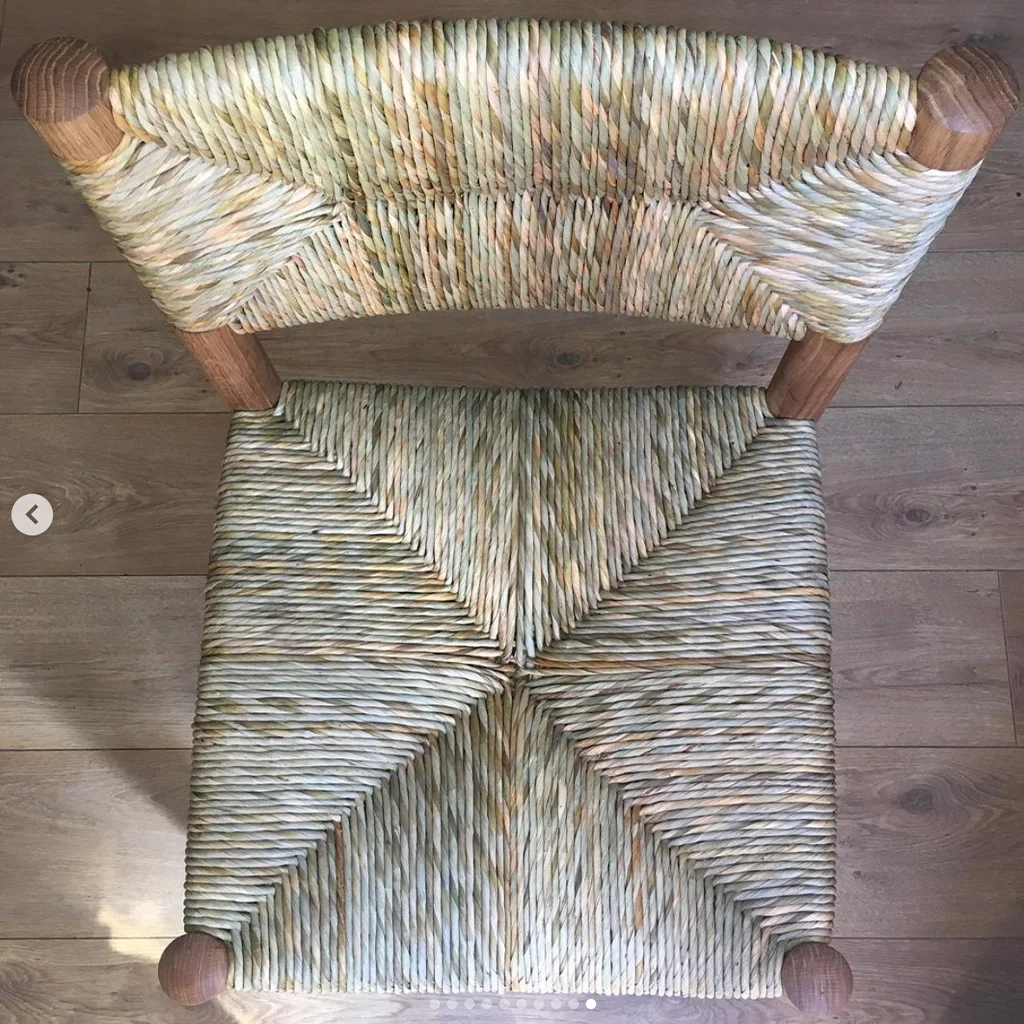
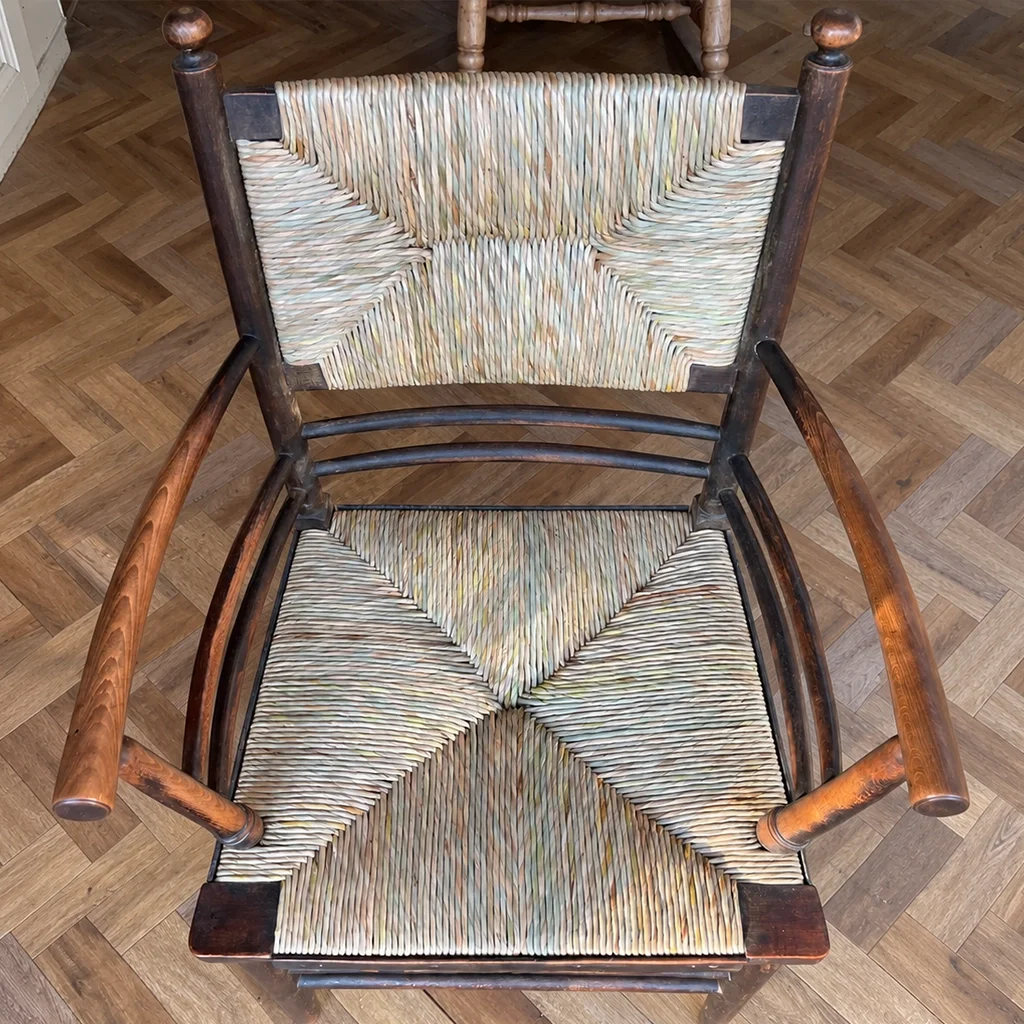
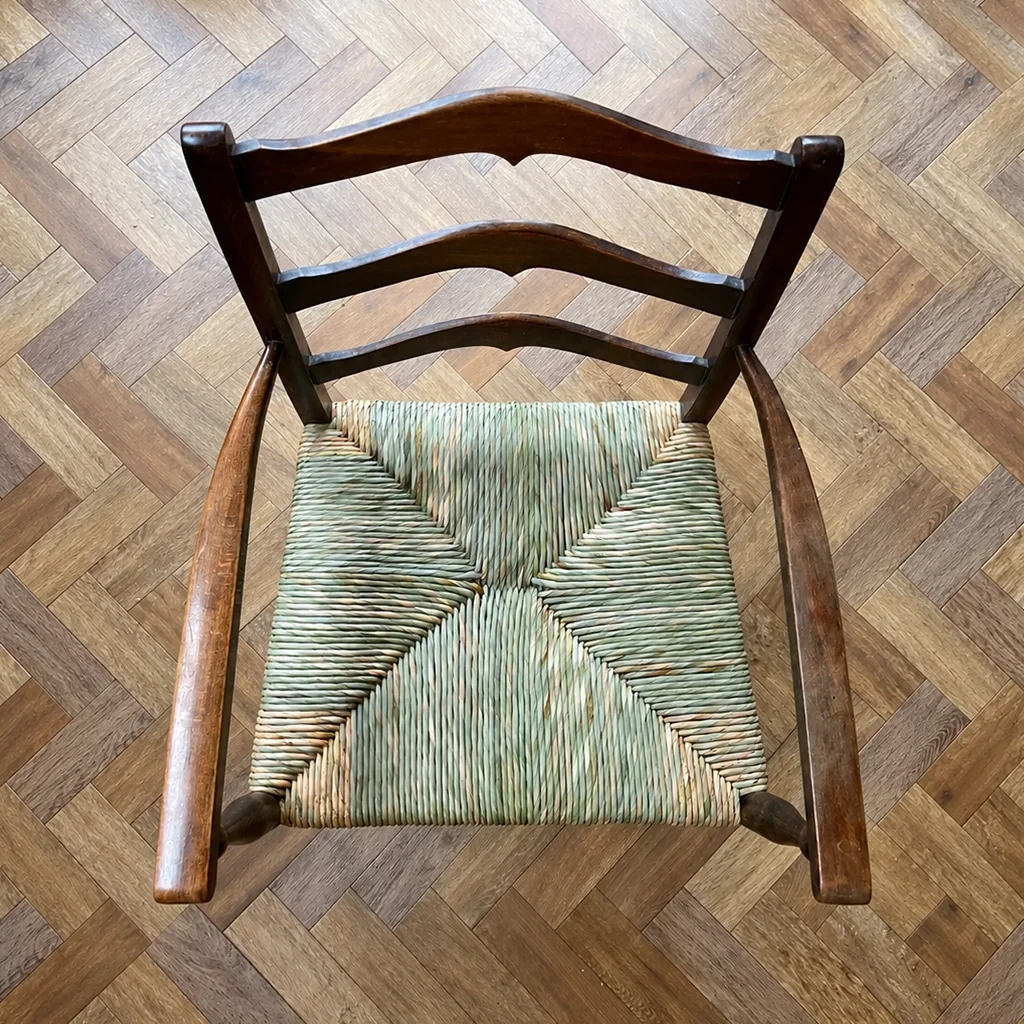
Working with bulrush brings the colours and character of the landscape to each woven seat. Wherever possible, I use rush gathered by myself from the river in summer, drying it for several weeks before soaking it again and twisting it by hand into supple coils. Its fresh, sage-green tones gradually mellow to a golden straw colour, giving the finished seat a gentle warmth.
I love working on a chair that already has a story, with its worn arms, familiar shape and traces of everyday life. A new rush seat adds another chapter, restoring comfort and beauty to a much-loved piece. With care, it can last for 50 years or more, keeping both the chair and the craft in use for generations.
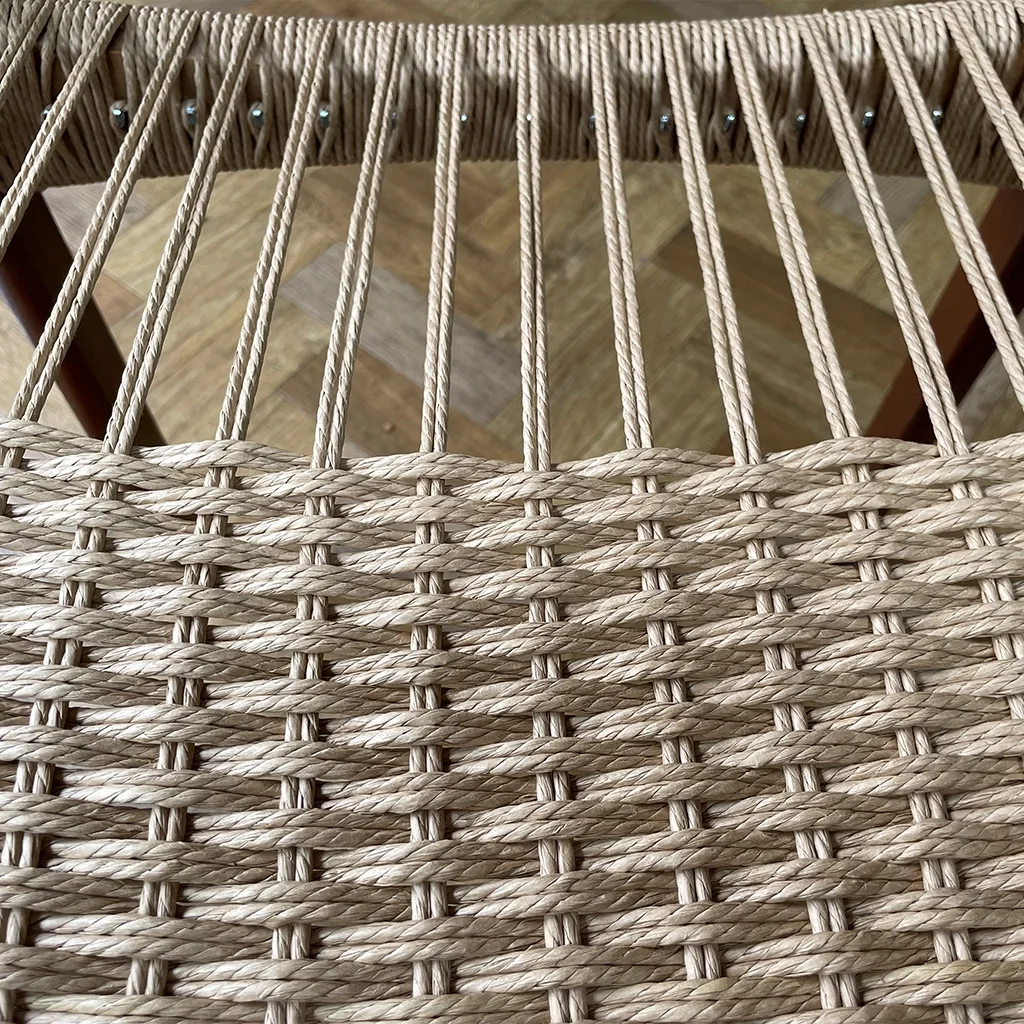
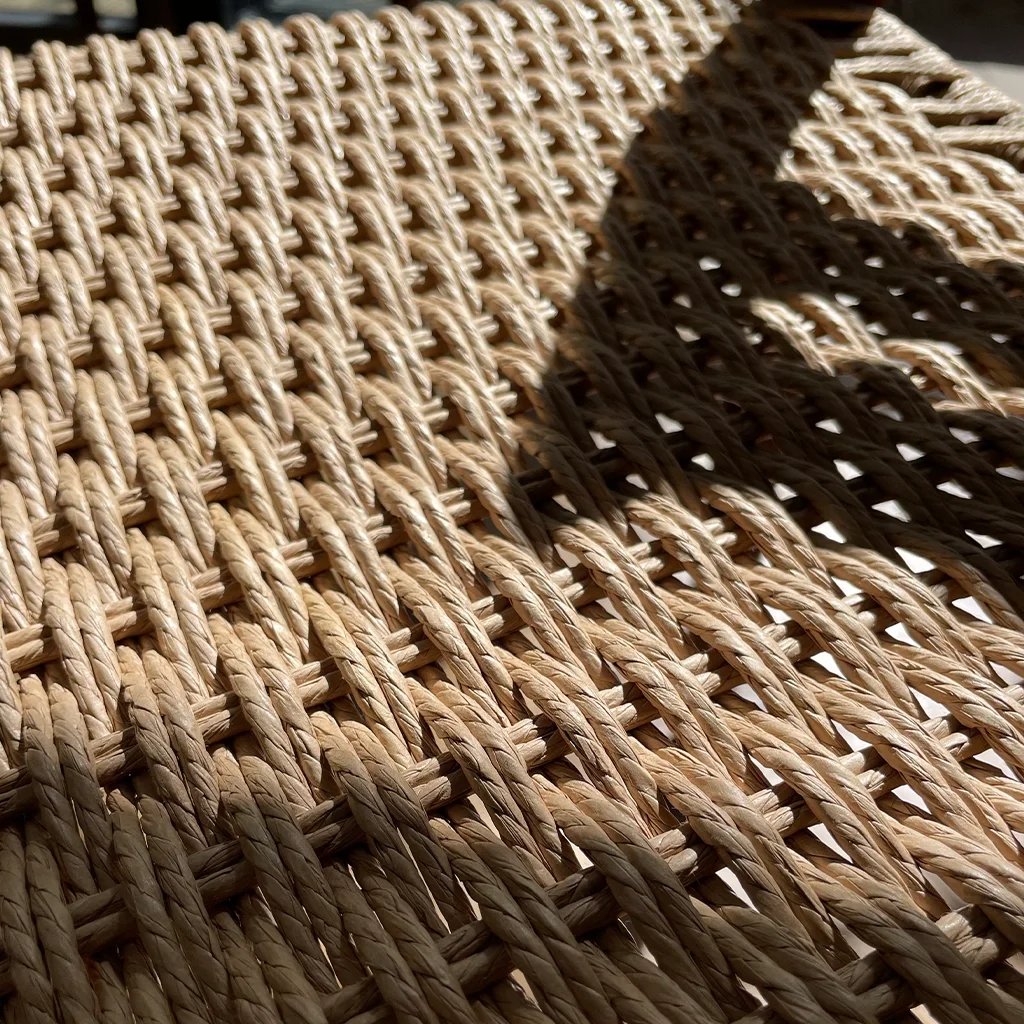
Danish Papercord
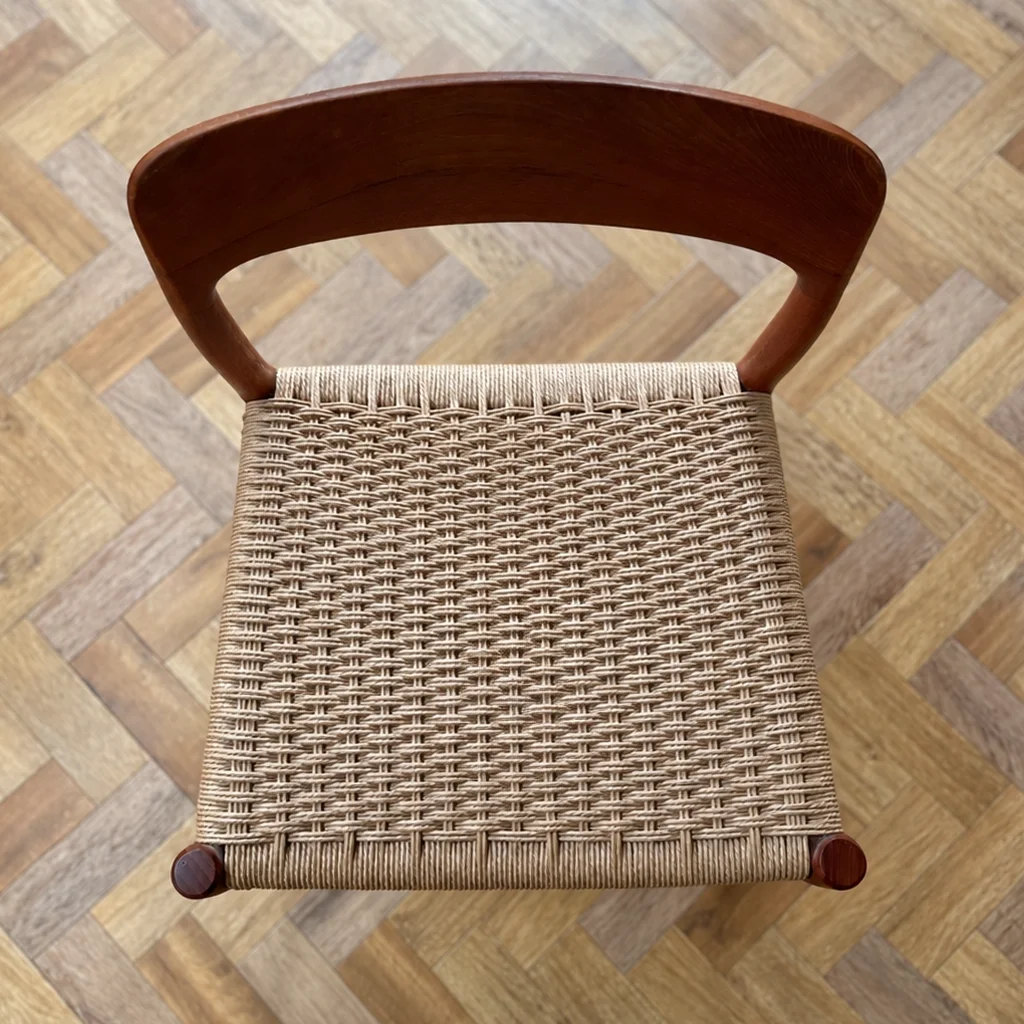
With its warm, natural tones and simple ‘two-by-two’ or ‘envelope’ patterns, Danish papercord is a beautiful companion to the clean lines of the classic 1960s chairs. Practical and comfortable, the twisted cord creates a seat with texture, strength and a gentle give. One of my favourite items to work on.
Do you have a chair that needs a new lease of life?
English or Dutch Rush: The cost of a new woven seat depends on its size and the material used. Rush seating typically costs between £120 and £240, calculated at 75p per square inch,
Danish papercord: Seats cost around £120 to replace.
If you’d like a bespoke quote, please get in touch with a few photographs of your chair and its seat measurements, and I’ll be happy to talk through the options.